

The Guide To Texas Car Inspection Law: Changes & Requirements
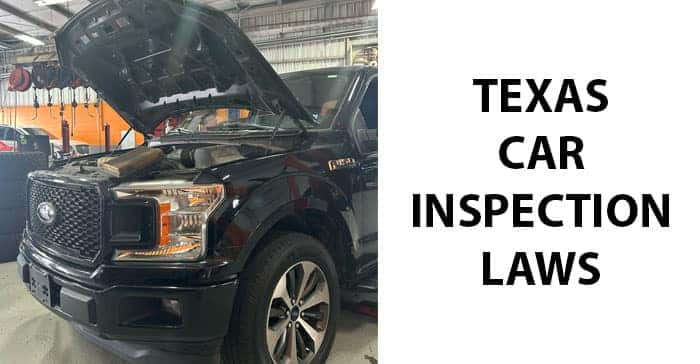
Understanding Texas car inspection laws is an important part of staying road-legal and avoiding unexpected fines. This guide to Texas car inspection law covers everything you need to know about upcoming changes, testing requirements, and associated fees. Stay informed and ready for what’s ahead! If you need a car inspection in southern Texas, we can help. We offer high-quality services, including car inspections, rhino liners, oil changes, lift kits, tires, and general auto repair. We’re in Brownsville and serve the entire area, including Pharr, Harlingen, and McAllen.
Texas Diesel Delete LawsUsed Cars For Sale
Texas Car Inspection Law Changes
Starting January 2025, Texas will eliminate annual safety inspections for non-commercial vehicles. However, drivers must still pay the inspection fee. Only residents in the 17 most populated counties will continue needing a yearly inspection or emissions test. For most Texans, the physical inspection process will no longer be required.
What Areas are Exempt From This
Counties exempt from the annual inspection include those outside the most populated areas in Texas. These larger counties, such as Harris (Houston), Dallas (Dallas-Fort Worth), Travis (Austin), and Bexar (San Antonio), will still require inspections due to their higher populations and stricter emissions standards. Smaller counties that don’t face the same environmental and traffic challenges will no longer mandate the inspection. This exemption significantly benefits drivers in rural Texas and less urbanized areas. Residents in places like Cameron County, home to Brownsville, are included in this list of exempt regions. For these Texans, the annual hassle of scheduling and completing a vehicle inspection will soon be a thing of the past.
2024 Texas Car Inspection Requirements
In 2024, Texas still requires annual safety inspections for non-commercial vehicles in all counties. Drivers must pass a safety check covering essential vehicle components like brakes, lights, and tires. In those 17 most populated counties mentioned above, an emissions test is also required to ensure the vehicle meets environmental standards. Inspection fees remain $7.50, paid directly to the inspection station before registration renewal.
Types of Emissions Tests and How to Know Which One Your Vehicle Needs
The type of test your vehicle needs depends on its age, make, and model. Here’s an overview of the common emissions tests and when they apply:
Common Types of Emissions Tests in Texas
- On-Board Diagnostics (OBD) Test
○ Applicable for vehicles built in 1996 or later.
○ This test uses a computer to check the emissions system for issues.
○ Quick and efficient, it detects problems before they cause excessive pollution.
- Accelerated Simulation Mode (ASM) Test
○ Required for vehicles built between 1984 and 1995 in certain counties.
○ Involves placing the vehicle on a treadmill-like device to simulate real-world driving conditions.
○ This test measures emissions during simulated acceleration and deceleration.
- Two-Speed Idle (TSI) Test
○ Used for vehicles built in 1984 or earlier.
○ Measures emissions while the vehicle idles at two different engine speeds.
○ It’s a simple test that checks older cars without OBD systems.
How to Know Which Test Your Car Needs
- Check Your Vehicle’s Model Year: This determines whether your car uses OBD technology or requires ASM or TSI testing.
- Know Your County’s Requirements: Emissions test types vary based on air quality standards in specific counties.
- Check Your Vehicle’s Manual: The manual often lists information about your car’s emissions system.
- Ask the Testing Station: They can identify the correct test for your car based on its age and features.
What Happens in the Emissions Testing Process
-
Pre-Inspection Check
The testing process begins with a pre-inspection check to make sure your vehicle is ready. The inspector will verify that the check engine light is not illuminated, as this could indicate an emissions issue. They may also inspect components such as the fuel cap and exhaust system for any visible problems. This step ensures the vehicle is in proper condition for testing to proceed smoothly.
-
Connecting the Equipment
Once the pre-inspection is complete, the inspector will connect the appropriate testing equipment based on your vehicle’s specifications. For an OBD test, a scanner is plugged into the car’s OBD port to access data from its onboard computer. For ASM or TSI tests, the vehicle is positioned on a dynamometer or idle testing platform, depending on its age and technology.
-
Running the Appropriate Test
Running the correct emissions test is an important step for accurate results. As mentioned earlier, the specific test your vehicle needs depends on its make, model, and year, as different vehicles have unique emissions control systems. Inspection stations determine and perform the appropriate test, whether it involves reading data from the vehicle’s computer, simulating driving conditions, or measuring emissions at idle. This process helps confirm that your vehicle meets Texas emissions standards.
-
Results and Analysis
After the test is complete, the inspector analyzes the results and prints a report. If your vehicle passes, you’ll receive a certificate to retain for your records. If the vehicle fails, the paperwork will outline the specific issues, and the results will be electronically submitted to the state. You’ll need to address the identified problems and retest the vehicle to achieve compliance.
What Happens if Your Car Fails the Emissions Test
If your vehicle doesn’t pass the emissions test, don’t stress too much. —it’s a totally fixable situation. The next step is to take your car to a qualified mechanic who can diagnose and repair the issues flagged during the inspection. The test results will indicate what’s wrong, such as a malfunctioning emissions system or faulty sensors, helping the mechanic address the problem efficiently.
Once the necessary repairs are complete, your vehicle will have to be retested to confirm the problem has been resolved. Many inspection stations offer a free re-test within a certain timeframe, which can save you some money. Be sure to check with the station where you originally tested to see if they provide this option.
How to Make Sure Your Car Passes the Test
Check the Check Engine Light
- Ensure your check engine light is off before testing. Fix any issues that could trigger it to avoid automatic failure.
Drive Your Car Before the Test
- Drive for at least 20 minutes before testing to warm up the engine and help it run efficiently.
Keep Up with Regular Maintenance
- Schedule routine oil changes, replace dirty air filters, and check spark plugs. Proper maintenance keeps emissions in check.
Fix Known Issues in Advance
- Address any engine performance problems, such as rough idling or stalling, to reduce the risk of failing the test.
Use Quality Fuel and Additives
- Consider using fuel system cleaners before testing to help reduce emissions from carbon buildup.
Check Your Gas Cap
- Ensure the gas cap is tight and secure, as a loose cap can trigger emissions system errors.
Requirements To Pass A Vehicle Inspection In Texas
There are several requirements to pass a vehicle inspection in Texas, including various parts of your vehicle, such as the brakes and tires, plus the emissions inspection mentioned above.
-
Brake systems, including both the parking brake and foot brake, must respond effectively when tested
-
Seat belts should be fully operational and present for every seating position
-
Headlights, brake lights, taillights, turn signals, and license plate lights all need to be in working condition
-
Tires must be in good shape with proper tread depth and no visible defects
-
Window tint will be measured to confirm it aligns with state visibility regulations
-
The horn has to function clearly to warn other drivers or pedestrians
-
Mirrors on both sides and the interior rearview mirror must provide a safe field of vision
-
A windshield inspection checks for large cracks or chips, and wipers must work reliably
-
Steering systems, including the wheel and linkage, should allow smooth, controlled movement
-
The exhaust system must not leak, rattle, or produce excessive noise
-
Vehicles between 2 and 24 years old must have a gas cap that seals correctly
-
In some Texas counties, emissions testing is required to reduce air pollution
-
The Vehicle Identification Number (VIN) will be verified to ensure it matches registration documents
What Fails A Car Inspection In Texas?
A similar question we get a lot is what fails a car inspection in Texas. It’s essentially the same things listed above. If your tires are in bad shape, the brakes have problems, the lights or windshield wipers don’t work properly, the window tint is too dark, you’re missing mirrors, the exhaust leaks, or any of the other factors listed above, your car will likely fail the inspection.
As for emissions tests, your call will fail the emissions inspection due to issues with the catalytic converter, oxygen sensors, or sometimes if the check engine light is on. Even if you live in an area that doesn’t require an inspection, it’s a good idea to make sure all of these things are working properly for your own safety.
What are the Associated Fees?
Starting in 2025, Texas drivers will still pay a $7.50 fee for vehicle inspections, but it will be added to their annual vehicle registration fee instead of being paid at the inspection station. This change simplifies the process by combining the fees into one payment.
The $7.50 fee is divided into three parts: $3.50 goes to the Texas Mobility Fund to support transportation projects, $2 goes to the Clean Air Account to help reduce pollution, and the remaining $2 goes to the state’s general fund for various state programs.
Additionally, new car buyers will pay a one-time fee of $16.75 when registering their vehicle for the first time. This fee covers similar funding allocations while ensuring compliance with state emissions and transportation policies.
The Guide To Texas Car Inspection Law Conclusion
Texas vehicle inspection requirements are changing in 2025, streamlining the process for most drivers while keeping emissions testing in larger counties. Knowing what to expect can help you stay prepared and ensure your vehicle stays road-legal without any surprises.
At Tipton Ford, we’re here to answer all your car-related questions, from inspections and maintenance to finding your next vehicle. If you’re in the market for a new or used Ford, count on us for the best customer service and competitive prices. Visit us today and experience the Tipton Ford difference!
2 comment(s) so far on The Guide To Texas Car Inspection Law: Changes & Requirements
What if I bought a car with no engine light. Then it hits that magic button which indicates catalytic failure (45 times) what recourse do i have?
Feel free to come in to our service department and sit down and speak to our service manager Ramiro Salguero and get a piece of mind. We are located at 3840 North Expressway 83 brownsville tx.